


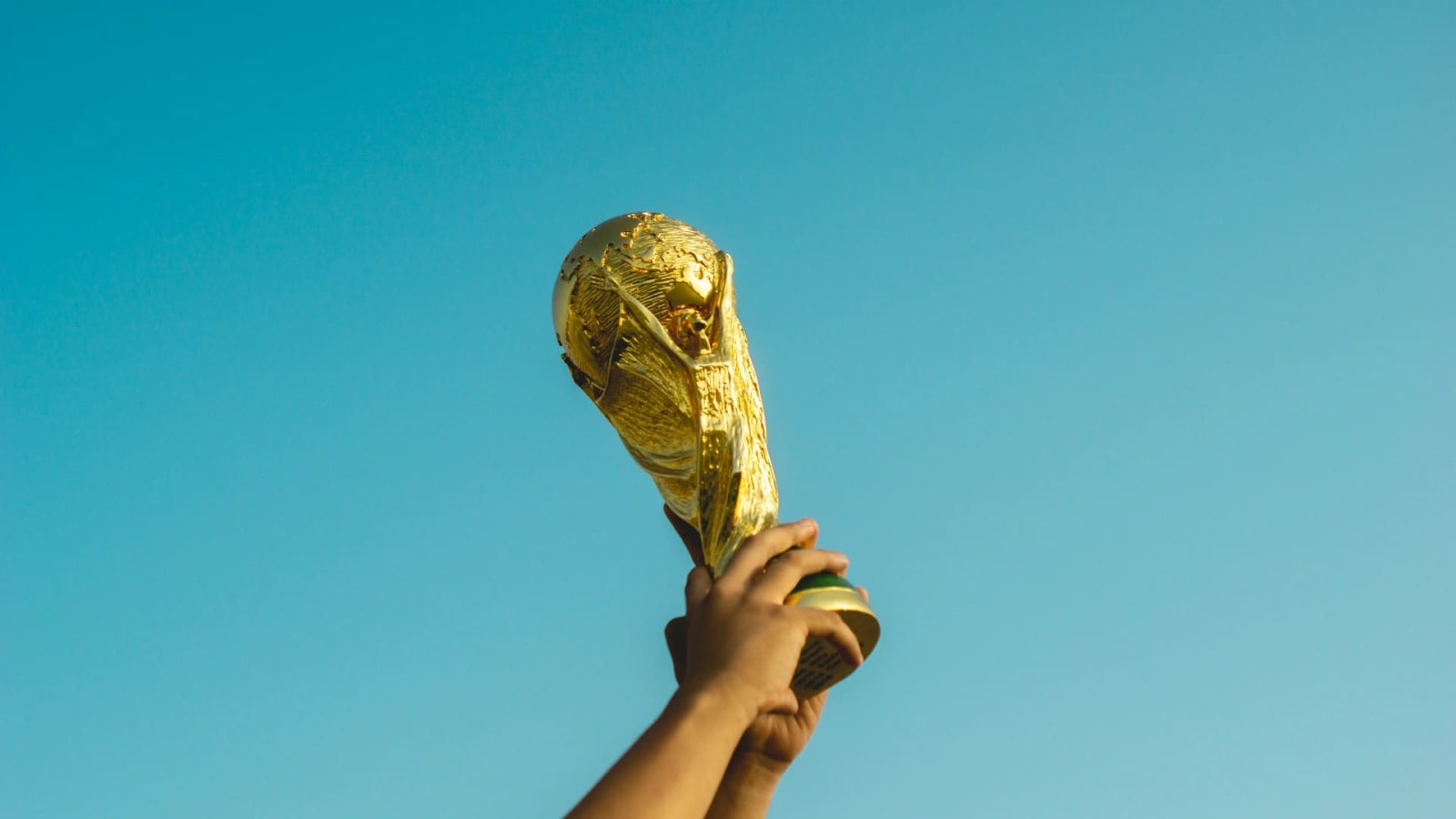
Torres fires Spain to historic second World Cup
Spain are world champions again after Ferran Torres struck in the 106th minute to beat defending champions Argentina 1-0 in the final at New York-New Jersey Stadium in East Rutherford. The substitute forward pounced on a bouncing ball in the box and drilled a left-foot finish under the crossbar for his first goal of the tournament, ending a suffocating stalemate that had drifted toward penalties. Spain's 20th attempt finally broke Argentina, and the result delivered La Roja their second men's World Cup title, adding to their 2010 triumph and ending Argentina's reign at the top.
The numbers underline how complete Spain's control was: they outshot Argentina 20-2 in one report, held 65% possession, and completed 762 accurate passes to 358. Argentina did not record a shot on target, while Emiliano Martínez made 10 saves in regulation and extra time, the most ever in a World Cup final. Enzo Fernández's second yellow card in stoppage time left Argentina with 10 men, and the frustration boiled over after the final whistle. For Spain, the win capped an unbeaten run that stretched to 38 matches and confirmed Luis de la Fuente's side as the tournament's dominant force.
The title also carried broader historical weight because Spain now hold both the men's and women's World Cup crowns simultaneously, after the women's side won in 2023. The men allowed only one goal in eight matches, a World Cup record for fewest conceded by a champion, and the victory reinforced the country's academy-driven model at the highest level. Ferran Torres emerged as the decisive name, but the clean-sheet platform, from goalkeeper Unai Simón to the back line, made the triumph look like the product of a long-term system rather than one moment of fortune.
Sources
- Soccer-Torres rescues grim final to make Spain world champions
- Spain wins the World Cup by beating Argentina 1-0 on Ferran Torres' goal in extra time
- Spain wins the World Cup by beating Argentina 1-0 on Ferran Torres' goal in extra time
- World Cup 2026: Spain ends Argentina's reign, wins second title
- Spain dominates final, wins World Cup and consecrates coaching legacy
Messi's final act ends in tears and uncertainty
Lionel Messi's bid to finish international football on top ended in heartbreak as Argentina fell 1-0 to Spain in the World Cup final. The 39-year-old captain, who had hinted this tournament could be his last, was visibly emotional after the defeat and left the pitch with his future in the national team still unresolved. Messi has now played in six World Cups and scored 21 goals in the competition, but he could not find a way through a Spanish side that denied him a second straight title and largely shut him out of the game.
The final was especially cruel because Messi arrived with the chance to create one more piece of history, having already equalled Cafu's record for appearances in a World Cup final. Instead, Spain's press and control made him a passenger for long stretches, and Argentina never produced the attacking rhythm needed to rescue the match. Reports before kickoff also pointed to Messi's own pre-match comments that he hoped to 'finish my journey in the World Cups in a final,' which makes this loss feel like a possible farewell rather than a temporary setback. That uncertainty will dominate discussion now.
Whether he returns for 2030 is still unknown, but the defeat immediately shifted attention from legacy-building to legacy-preserving. Messi's tears after the final whistle captured the emotional weight of a career that has defined an era, and the result leaves Argentina with a painful ending rather than a fairytale repeat. For a player who has carried the tournament's biggest spotlight for nearly two decades, the question now is not what he achieved, but whether the world has seen him in an Argentina shirt for the last time.
Yamal's sportsmanship steals the post-final spotlight
The final's most shared image came after the whistle, when Spain's Lamine Yamal walked over to console Lionel Messi following La Roja's 1-0 extra-time victory over Argentina. The 19-year-old Barcelona winger embraced the dejected Argentina captain in a scene that quickly went viral, earning praise for its calm dignity in a moment of fierce rivalry. Yamal had entered the final as one of the game's biggest young stars, but the post-match gesture showed a maturity beyond his age and added a human note to an otherwise bruising contest.
The symbolism was powerful because the match had been framed as a generational handover: Messi, the standard-bearer of the past, against Yamal, Spain's teenage face of the future. Blueprint's coverage highlighted that Yamal has often described Messi as one of his idols, which made the embrace feel personal rather than performative. In a tournament defined by tension, the gesture reminded fans that respect can survive even the most high-stakes final, and it helped turn Spain's title into a story about character as well as silverware.
Yamal's role in the wider narrative is likely to grow after this final, especially because he is now being linked with major historical milestones at just 19. Even without scoring in the final, his presence mattered to the way the match was sold globally, and the post-match scene ensured he left the biggest stage with a moment that will travel far beyond football circles. For Spain, it was a fitting image for a team that won with control; for Messi, it was a reminder that the next generation is already here.
Trump hands Spain trophy after headline-grabbing final appearance
US President Donald Trump was one of the most visible figures at the World Cup final, presenting the trophy to Spain after their 1-0 win over Argentina at MetLife Stadium. He arrived by Marine One and stood alongside FIFA president Gianni Infantino as the champions lifted the trophy amid gold confetti. Trump also used the occasion to frame the tournament as a national success for the United States, telling a FIFA reception earlier in the week that 'we were a soccer country' and suggesting the event had brought the world together.
The White House had spent more than a year navigating the logistical and political challenges of staging the biggest World Cup in history alongside Canada and Mexico, including the administration's hard-line migration policies that barred some visiting fans from entry. That backdrop made the trophy presentation more than a ceremonial handoff; it was a closing image for a tournament that mixed sport, politics and spectacle at almost every turn. Trump even proposed another World Cup before kickoff, underlining how much he wanted the event tied to his presidency.
His presence added to a final already packed with celebrity and political symbolism, and it ensured the post-match images travelled far beyond the football audience. For Spain, the trophy lift was the culmination of a dominant tournament. For the hosts, it was a chance to claim a share of the spotlight at the close of an expanded, continent-spanning competition that was as much about national branding as it was about the game itself.
First World Cup halftime show splits opinion
The 2026 World Cup final also broke new ground with the tournament's first-ever halftime show, stretching the break to more than 27 minutes and turning the interval into a full-scale spectacle. Madonna opened the show and was driven through the tunnel with Brazilian legends Ronaldo and Ronaldinho while singing 'Music', before Shakira, BTS and Justin Bieber joined the performance on a rainbow-coloured canopy above the pitch. The music segment lasted about 11 minutes and was accompanied by fireworks, dancers and a band, creating a Super Bowl-style interruption to football's biggest match.
Reaction was predictably divided. Some coverage celebrated the surreal scale of the production, while other voices, including Wayne Rooney, were far less impressed; he reportedly called it 'crap' during BBC Sport's coverage. The debate matters because it shows how far FIFA is willing to push the event beyond sport, especially in a final already shaped by celebrity appearances and political theatre. The halftime show may be remembered less for musical quality than for the fact that it changed the rhythm of a World Cup final for the first time ever.
Even so, the novelty ensured it became one of the most discussed side stories of the night, with Justin Bieber's performance and Madonna's entrance drawing as much attention as some of the football. In a tournament built around expansion, entertainment and global TV reach, the halftime show was a test case for whether football's traditionalists will accept imported spectacle. Judging by the reaction, FIFA has created a new annual argument to go with the trophy presentation itself.
Sources
- Madonna, Shakira, and Justin Bieber Headline the First World Cup Halftime Show
- Madonna Makes an Entrance with Ronaldo and Ronaldinho -- Here's How the First World Cup Halftime Show Went
- The World Cup half-time show was slick, surreal and entirely unnecessary
- England soccer legend delivers harsh verdict on World Cup halftime show
Canada closes its biggest soccer summer
Canada's role as co-host ended with a nationwide celebration around the World Cup final, as thousands gathered in Toronto and Vancouver to watch Spain beat Argentina 1-0 in extra time. The tournament marked the first time men's World Cup matches were staged on Canadian soil, with Vancouver and Toronto among the 16 host cities across the expanded 48-team event. At Vancouver's fan festival alone, organisers said attendance topped 500,000 over five weeks, turning the city into one of the tournament's most vibrant public viewing hubs.
Officials framed the event as a breakthrough moment for the sport in Canada. Adam van Koeverden, the country's secretary of state for sport and self-described 'World Cup Sherpa', called it an extraordinary journey and said the tournament had been a huge step forward for Canadian soccer, adding that 'Canada is a soccer nation.' That language reflects how the World Cup functioned not just as an international competition but as a national identity exercise, especially with the country hosting games for the first time in men's tournament history.
Justin Bieber's appearance in the final added a distinctly Canadian footnote to the closing night, as the singer joined the halftime show in front of a sold-out crowd of 80,663 in East Rutherford. With the final over, Canada now moves from host to legacy-builder, hoping the five-week surge in attention translates into lasting participation, investment and belief. The public festivals, record crowds and political messaging all point to a country eager to convert one summer of football into something more permanent.