


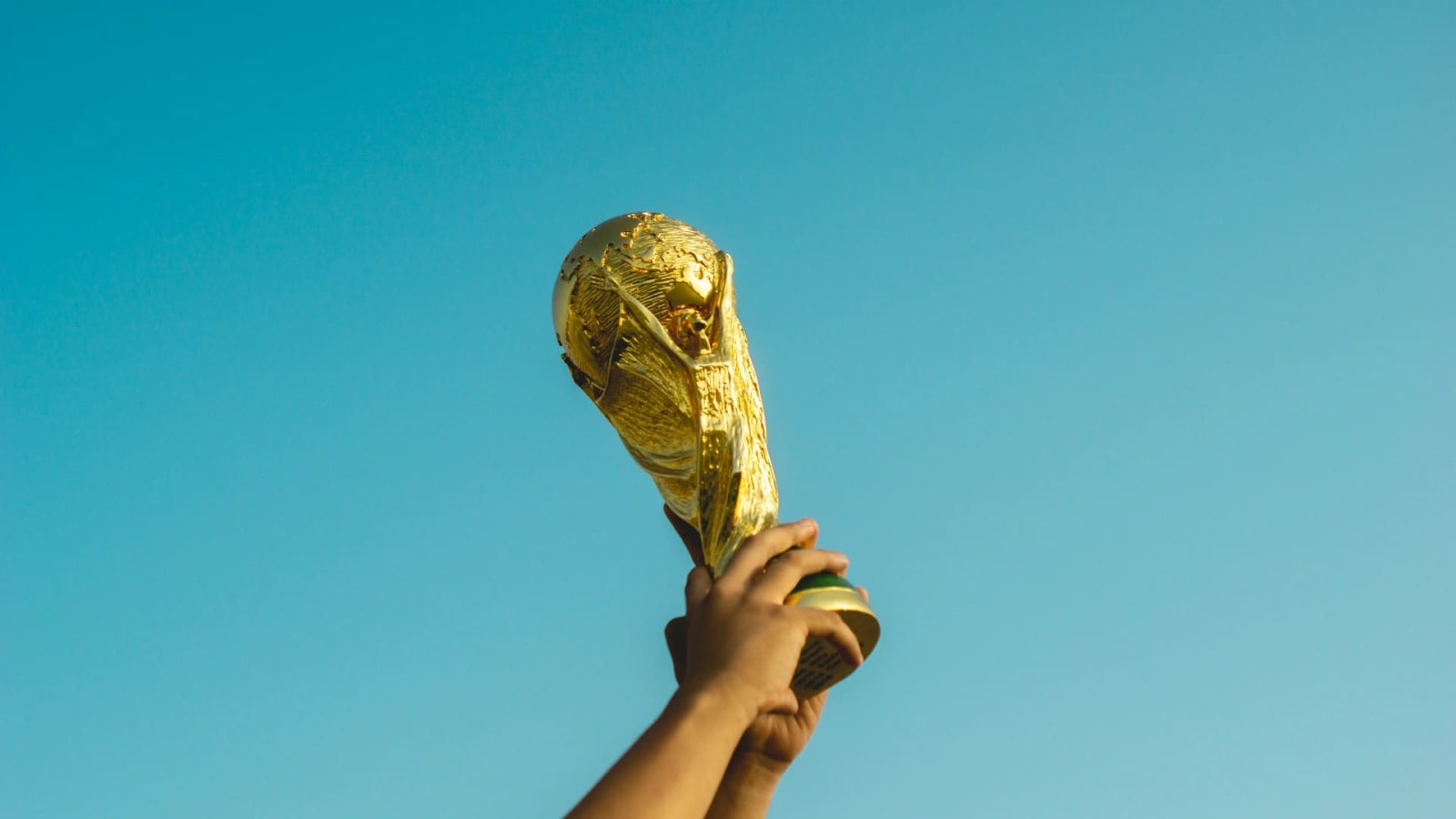
Spain crowned champions after beating Argentina in final
Spain’s 1-0 victory over Argentina in the World Cup final remains the defining story of the tournament and the day’s coverage. Ferran Torres scored the decisive goal in extra time, sealing Spain’s second World Cup title and ending Argentina’s bid to defend the crown they won in Qatar in 2022. The final was played at the New York New Jersey Stadium, and Spain’s win completed an unbeaten tournament in which Luis de la Fuente’s team conceded only one goal across the entire competition. That blend of control and efficiency made the champions look inevitable by the knockout rounds.
The scale of Spain’s success matters because it was built on structure rather than individual brilliance. De la Fuente has repeatedly pushed back against the old ‘tiki-taka’ shorthand, preferring to describe his team as possession-based and modern rather than nostalgic. Reports on the day also highlighted Spain’s 38-match unbeaten run, a remarkable stretch that underlines how far the side has moved beyond being just a talented group of players. For Argentina, the defeat was especially painful because it came with a second straight final heartbreak and immediately triggered a wider debate over whether Lionel Messi’s international era is nearing its end.
Infantino letter sparks fresh anger over Argentina final fallout
Gianni Infantino is under renewed scrutiny after a leaked letter to Argentine FA president Claudio Tapia praised Argentina’s ‘professionalism’ despite the ugly scenes that followed the World Cup final defeat to Spain. The backlash centres on the contrast between the FIFA president’s warm tone and the reality on the pitch and in the tunnel, where Argentina’s Leandro Paredes was accused of pushing Eric García and assistant coach Roberto Ayala was seen striking Dani Olmo. FIFA has already opened an investigation into the post-match brawl, making the congratulatory language look jarringly out of step with the governing body’s own disciplinary posture. The letter also referred to Argentina as silver medallists.
The controversy has now been amplified by multiple outlets, all pointing to the same leaked message and the same uncomfortable timing. Argentina’s final performance was described as especially poor, with reports saying they failed to register a shot inside 90 minutes and lost Enzo Fernández to a needless red card before tempers boiled over. Infantino’s message, which praised an ‘unforgettable celebration of football’, is likely to fuel criticism that FIFA is too close to the game’s biggest powers while claiming to police sporting conduct. With the investigation still open, the letter ensures the final’s aftershocks will continue well beyond the trophy ceremony.
Sources
- FIFA president praises Argentina's 'professionalism' in 'leaked' letter after brawl in World Cup loss
- FIFA President Attracts Further Scrutiny Over Leaked Argentina Letter Following World Cup Final
- FIFA letter to Argentina leaked with astonishing Gianni Infantino claim
- FIFA President Lauds Argentina's Professionalism Amid Clash Probe
Messi urged to continue after World Cup heartbreak
Lionel Messi’s future with Argentina is the subject of intense debate after the 39-year-old’s side lost 1-0 to Spain in the World Cup final. Ángel Di María has publicly urged him not to retire, arguing that Messi still has ‘many years of playing and success ahead of him’ and remains one of the best players in history. Messi had hinted before the final that the match could be his last appearance for Argentina at a World Cup, so the defeat has sharpened speculation that the curtain may soon fall on one of international football’s defining careers. For a player who has carried Argentina for so long, the emotional weight of the loss is obvious.
Di María’s intervention matters because it shows how much Messi still means to the national team’s identity, even at an age when most elite attackers are long retired. The former winger’s comments were paired with a plea for coach Lionel Scaloni not to step down either, suggesting Argentina may face a broader transition rather than a single retirement decision. Messi’s post-final public appearance in Rosario, where he watched Leones FC, a club owned by his family, shows he is already back home and processing the defeat. Whether he returns for another international cycle will shape Argentina’s next era as much as any tactical decision.
Klopp installed as Germany coach, but warns of family red lines
Germany’s post-World Cup rebuild has begun with the appointment of Jürgen Klopp, a move that immediately shifts the mood around a team coming off an early exit. Klopp described the job as the pinnacle of his coaching career, saying he would give it everything, but he also made an unusual public warning on his first day in charge: if media coverage turns into personal attacks on his family, he will walk away. That line set the tone for a press conference that was as much about his boundaries as his football ideas. For a national team in need of direction, the message was clear: intensity will return, but so will scrutiny.
The appointment is significant because Klopp brings instant authority to a Germany side trying to reset after disappointment. His reputation from Liverpool and previous club success means expectations will be enormous, and his willingness to confront the media head-on suggests he wants control of the narrative from the start. Reports on the day framed him as a coach prepared to absorb criticism about tactics and selection, but not about private life. That distinction will matter in a country where every Germany manager is judged against the highest standards. The early signal is that Klopp intends to rebuild the team on his own terms, not on the press’s schedule.
Argentina’s 2030 World Cup place confirmed
Argentina will have an automatic place at the 2030 World Cup, a remarkable outcome for a country that will host only one of the tournament’s special anniversary matches. The centenary edition is being staged by Spain, Portugal and Morocco, with additional commemorative games scheduled in Uruguay, Argentina and Paraguay. Under FIFA’s confirmed plan, all six host nations will receive automatic qualification, meaning Argentina’s place is secured regardless of the tension surrounding their 2026 final defeat to Spain. The decision is unprecedented for a tournament split across so many countries and is already reshaping the conversation around South American involvement in the event.
The symbolism is powerful because Argentina’s capital, Buenos Aires, will host one of the anniversary fixtures while Uruguay and Paraguay also receive matches tied to the World Cup’s centenary. That arrangement links the modern tournament back to its origins in Montevideo in 1930, where Uruguay beat Argentina in the final. For Argentina, the automatic berth offers a quick route to redemption after the heartbreak of 2026, but it also raises familiar questions about fairness and qualification standards. FIFA’s decision prioritises history and hosting logistics, and it ensures the reigning global conversation around Argentina will extend straight into the next decade.
Open Cup seen as US soccer’s best post-World Cup bridge
With the 2026 World Cup still fresh in the American sporting conversation, the U.S. Open Cup is being pitched as the competition best placed to turn that attention into lasting domestic interest. The tournament, founded in 1913 and now the oldest ongoing soccer competition in the United States, is a true cross-level knockout event, bringing together MLS clubs, USL Championship sides and amateur teams from USL League Two and the National Premier Soccer League. The appeal is simple: unlike closed leagues, it can create sudden, television-friendly drama and a wider sense of access. That makes it one of the clearest pathways from a global tournament to a local habit.
The argument is also grounded in the broader U.S. soccer market, where foreign leagues already command major attention. NBC’s Premier League coverage averaged 1.2 million viewers last season, a benchmark that shows how much appetite already exists for soccer narratives in America. The Open Cup’s value is that it offers something different from imported leagues and from MLS itself: genuine jeopardy, mixed-level matchups and the possibility of a lower-division run that captures mainstream imagination. If U.S. soccer wants to keep the World Cup bump alive, the article argues, it needs competitions that feel open, unpredictable and distinctly American.