


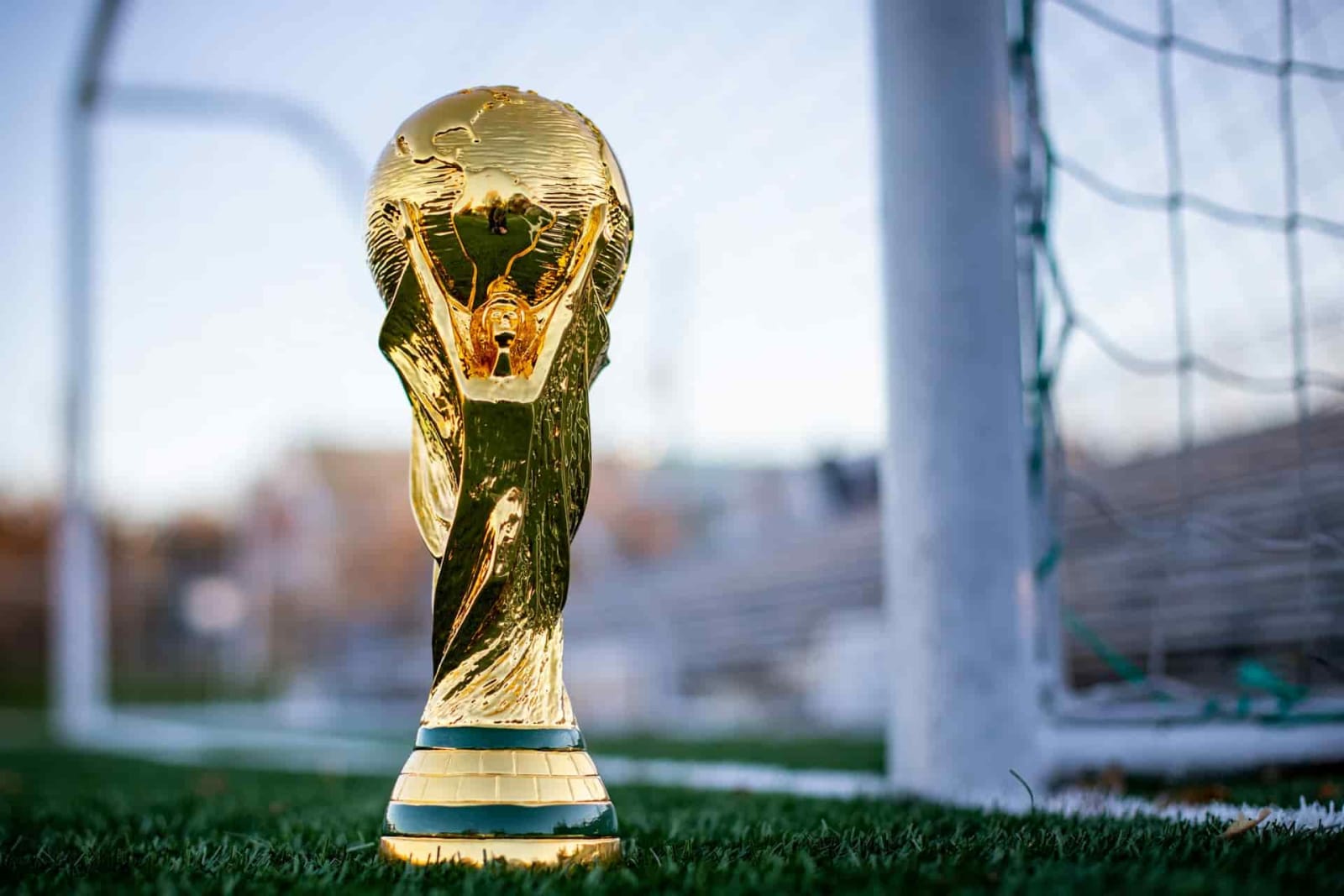
FIFA's $20bn World Cup sell-off sparks backlash
FIFA on 28 July unveiled plans to create FIFA Forward Enterprise, a new commercial subsidiary valued at $20 billion that would bundle broadcast, sponsorship, ticketing and licensing rights with the operational delivery of its tournaments, including the World Cup and Club World Cup. The governing body said it hopes to raise up to $4.2 billion later this year by selling minority, non-controlling stakes while retaining majority control. Among the proposed investors is Thrive Eternal, the vehicle launched by Joshua Kushner, the brother of Jared Kushner, Donald Trump's son-in-law, with J.P. Morgan also involved in structuring the deal.
The proposal landed just weeks after the expanded 48-team World Cup in the United States, Canada and Mexico ended, and it immediately split world football. FIFA says the money would lift development spending to more than $10 billion over four years and give member associations access to one-off funding, but critics see a dangerous shift toward privatizing the sport's flagship event. The Times and Financial Times first exposed the plan, and FIFA's rapid confirmation only intensified scrutiny over whether a not-for-profit body should be inviting external investors into the game's most valuable commercial engine.
UEFA and Burnham hit back at FIFA proposal
UEFA responded with a blunt warning that FIFA's plan had crossed a red line, insisting 'It is not FIFA's to sell' and that 'None of us are the owners of football.' The criticism was echoed in Britain by Andy Burnham, who said the World Cup 'was never anyone's to sell' and that football belongs to the fans, not investors. Reports in Sky-linked coverage said UEFA nations were preparing an emergency virtual meeting this week to discuss their opposition, with some European associations said to be considering boycott talk if the scheme moves forward.
The scale of the reaction shows how sensitive the issue is for European football, which fears the commercial logic of private equity could reshape the calendar and the balance of power around the World Cup. UEFA's anger is not just about valuation or governance language; it is about who controls the sport's most important property and whether outside investors will demand more frequent tournaments or greater influence over strategy. FIFA says member associations and the FIFA Council must approve the plan, but the political fallout is already severe.
Blatter warns Infantino is selling football's soul
Sepp Blatter joined the criticism by accusing Gianni Infantino of trying to 'sell our sport' and warning that the FIFA president's relationship with Donald Trump has reached a 'financial dimension' that threatens football's integrity. The former FIFA chief's intervention focused on the reported plan to move World Cup commercial rights into FIFA Forward Enterprise, a new company that could sell 20 to 30 per cent of its equity to private-sector investors. That structure would put a slice of future World Cup income into outside hands for the first time on this scale, and it has become a lightning rod for concerns about transparency and influence.
Blatter's comments matter because they revive one of football's oldest internal feuds while adding fresh weight to the backlash from Europe. His criticism suggests this is not simply a dispute between UEFA and FIFA, but another chapter in the long argument over who benefits from the game's commercial growth. By tying the plan to the Trump orbit and to private capital, Blatter framed the issue as more than a business decision: in his view, it is a test of whether the sport still belongs to its associations and supporters or to the people financing it.
Lenovo's tech powers World Cup without China on the pitch
An allAfrica report highlighted a striking contradiction from the 2026 tournament: China did not qualify for the expanded 48-team World Cup, yet Chinese industry was deeply embedded in the event's infrastructure. Lenovo, FIFA's official technology partner, supplied AI-enabled devices, servers and digital systems across the competition, deploying more than 17,000 devices and 350 engineers across 16 host stadiums in the United States, Canada and Mexico. The company also helped run the Football AI Pro platform used by coaches for advanced match analysis, giving the tournament a technological backbone that was as visible behind the scenes as the matches were on the field.
The piece argues that this was a different kind of victory for China, one rooted in supply chains, technology and global branding rather than national-team performance. For FIFA, it underlines how the World Cup has become a showcase not only for football but for the companies that build the event's digital and operational architecture. In an expanded tournament spread across three countries and 16 venues, the ability to deliver reliable infrastructure mattered enormously, and Lenovo's role shows how deeply Chinese manufacturing and IT have become woven into the sport's biggest stage.
Zidane appointed to lead France after Deschamps era
France moved into a new era on 28 July when Zinédine Zidane was appointed national team coach on a four-year contract, ending months of speculation over who would succeed Didier Deschamps. The announcement at the French Football Federation headquarters in Paris carried huge symbolism: Zidane, one of the country's greatest players, had been waiting for the chance to manage the national side he helped win the 1998 World Cup and Euro 2000. According to the reporting, Deschamps had already decided in January last year that he would leave after this summer's World Cup, and FFF president Philippe Diallo had met Zidane in person in February to discuss the succession.
The appointment is significant because it pairs France's most iconic modern football figure with the country's most successful recent coaching job. Zidane has been out of management since leaving Real Madrid in May 2021, and the long wait suggests how carefully the federation handled the transition. His return instantly raises expectations for the next cycle: France are not just replacing a coach, they are attempting to preserve elite continuity while handing the team to a figure whose authority and popularity could shape the dressing room as much as any tactical plan.
Donovan says soccer has finally arrived in America
Landon Donovan declared that soccer has 'officially arrived' in the United States after what he described as an historic World Cup that filled stadiums and produced television ratings strong enough to challenge the NFL and college football. In his interview, the former USMNT star pointed to everyday evidence of the sport's rise, saying he sees children wearing soccer jerseys at school drop-offs rather than NFL or baseball shirts. He also cited studies suggesting soccer is now the third-most popular sport in the country behind the NFL and NBA, a notable marker for a game that spent decades fighting for mainstream recognition.
Donovan's point is less about one tournament than about momentum the World Cup may have accelerated. He argued that the key question now is whether Major League Soccer and U.S. Soccer can convert that visibility into lasting growth for their own benefit. That makes his comments more than a celebratory soundbite: they are a warning that hype alone is not enough. If the post-World Cup audience is real, the domestic game has a narrow window to turn packed venues and high ratings into loyalty, participation and commercial power.