


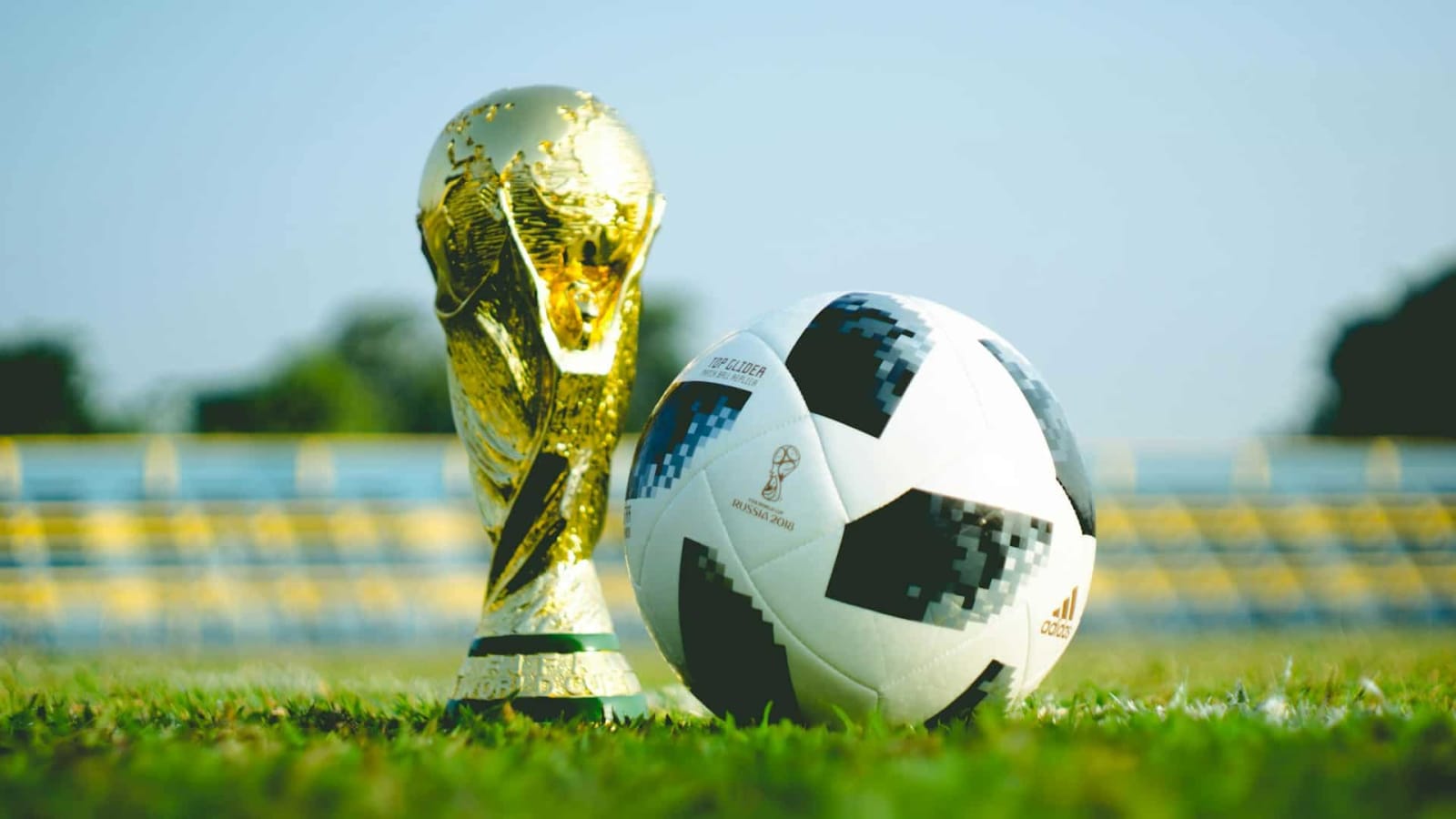
FIFA and Netflix launch World Cup game for June 11
FIFA will release FIFA World Cup: Launch Edition on Netflix Games on June 11, timed to the start of the 2026 tournament. The football simulation, developed with Delphi Interactive, will be available exclusively to Netflix subscribers at no extra cost, giving fans a way to play through the World Cup experience on mobile.
The move is part of FIFA's wider digital strategy to deepen engagement around the expanded 48-team event in the United States, Canada and Mexico. By pairing a global tournament with an accessible game, FIFA is trying to keep attention on the competition before a ball is kicked and throughout the month-long event.
Nike turns World Cup campaign into Hollywood spectacle
Nike has unveiled a star-heavy 2026 World Cup campaign built around a six-minute short film, Rip the Script, created by Wieden+Kennedy and directed by Dan Streit. The ad features a long list of football and entertainment figures, including Cristiano Ronaldo, Kylian Mbappe, Erling Haaland, Bruno Fernandes, Virgil van Dijk, LeBron James, Travis Scott, Kim Kardashian, Jason Sudeikis as Ted Lasso, Channing Tatum, LISA, Young Miko and broadcaster Kate Scott.
The campaign is notable because it blurs the line between football promotion and mainstream pop culture marketing, giving Nike one of the loudest pre-tournament launches of the cycle. With the World Cup beginning next week, the company is clearly betting that celebrity scale can amplify the tournament's global reach beyond traditional football audiences.
McDonald's rolls out World Cup meals and collectible cups
McDonald's announced a worldwide World Cup promotion that includes a FIFA World Cup 26 Meal and Happy Meal items starting June 4 at participating locations. Customers can choose between a Big Mac or a 10-piece Chicken McNuggets meal, and the promotion includes one of nine collectible cups featuring soccer stars past and present.
The fast-food tie-in shows how deeply the tournament is being commercialized before kickoff, with brands using the World Cup to drive limited-time products and fan collectibles. For supporters, the campaign turns a routine meal into a piece of tournament memorabilia and broadens the event's reach far beyond stadiums and broadcast screens.
Community watch parties spread World Cup fever in U.S. cities
Local organizers in Springdale, Arkansas, and Central Falls, Rhode Island, are building public watch-party plans ahead of the World Cup, using the tournament as a community event as much as a sporting one. Springdale's Downtown Springdale Alliance has installed a large outdoor screen at Luther George Park for select matches, while Central Falls launched its 'United Through Soccer' initiative with watch parties, youth tournaments, family activities and cultural celebrations.
Both efforts are aimed at making their cities destinations for fans during the tournament, and both stress soccer's role as a shared language in diverse communities. With the World Cup set to begin next week, these local events show how the competition is already shaping public spaces and civic calendars across North America.
World Cup spotlight shifts to stars, youth and pressure
Several previews published on June 4 framed the tournament through the players expected to define it, with Lionel Messi and Cristiano Ronaldo likely nearing their final World Cup bows and Spain's Lamine Yamal, France's Kylian Mbappe, Norway's Erling Haaland and the United States' Christian Pulisic among the names to watch. Another piece focused on the next wave of talent, including Lamine Yamal and Portugal's Joao Neves, as North America prepares to host the tournament for the first time since 1994.
These profiles matter because they show the World Cup's central tension: the last dance for established icons and the arrival of a younger generation ready to inherit the stage. The attention on Yamal, Mbappe and other rising stars reflects how the tournament's narrative is already being built around succession, not just competition.
World Cup comes with heat warnings for many matches
An NPR analysis reported that more than one-third of 2026 World Cup matches are at high risk for dangerously hot, humid conditions, raising concerns for players, workers and fans across North America. The warning comes as the tournament opens next week at 16 stadiums in the United States, Canada and Mexico, with summer weather already a major factor in host cities such as Kansas City.
The concern is especially relevant because heat has already caused problems in recent regional competitions, and the World Cup's scale means any weather disruption would be felt globally. The report underscores that this tournament is not only a sporting test but also a logistical and health challenge.
Brazil favela players win trophy and new hope
A group of young Brazilian players from a Rio de Janeiro favela returned from Mexico after winning the Street Child World Cup, a tournament for boys from impoverished backgrounds organized ahead of the FIFA World Cup. João Victor Gonçalves, who began playing in one of Rio's poorest and most violent communities, was among the players who traveled abroad and represented Brazil.
Their story matters because it shows the World Cup's wider social footprint: the game can create opportunity, travel and visibility for children who might otherwise be excluded from elite football pathways. The team's success also gives the tournament a human dimension beyond the usual focus on stars, sponsors and host-city preparations.
Philly welcomes World Cup teams with signed match balls
FIFA's 'Philly Match Ball' program will give each of the nine nations playing group-stage matches in Philadelphia a soccer ball signed by the city's biggest sports stars, including Joel Embiid and Bryce Harper. The balls are part of a broader effort to tie the World Cup to Philadelphia's identity and its deep sports culture, with Lincoln Financial Field renamed Philadelphia Stadium for the event.
The gesture is small compared with the scale of the tournament, but it is a smart piece of host-city branding that helps make visiting teams feel welcome while giving local fans a civic hook. It also shows how U.S. host cities are competing to make the World Cup feel locally rooted rather than just imported from abroad.