


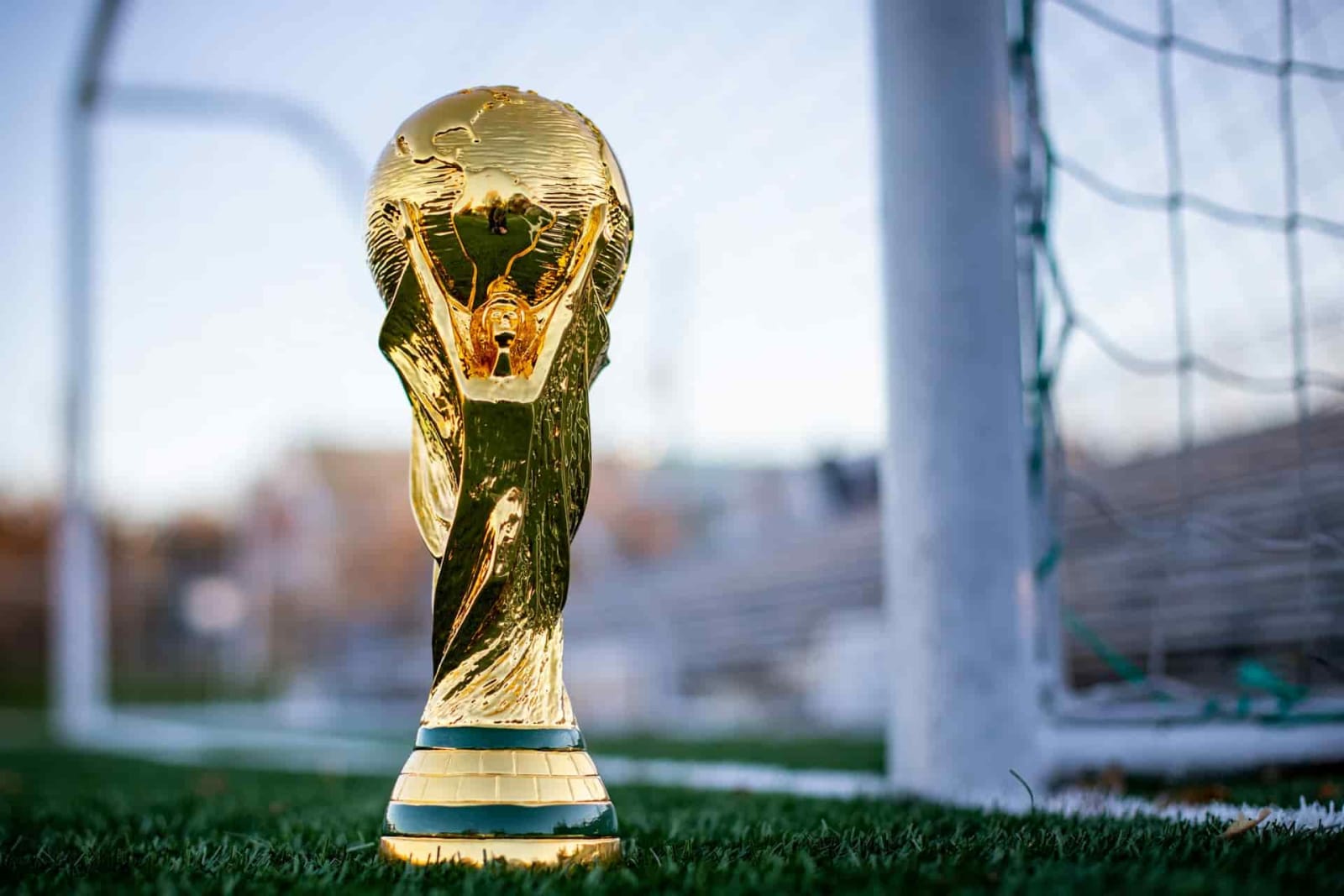
Spain and Argentina set historic final showdown
The 2026 World Cup final is now locked in, and it brings together two giants in a matchup loaded with history, style and star power. Spain will face defending champions Argentina on Sunday at New York/New Jersey Stadium, with Lionel Messi leading La Albiceleste and 19-year-old Lamine Yamal fronting a new Spanish era. Argentina reached the final after a dramatic 2-1 comeback against England, while Spain beat France 2-0 in a composed semifinal that underlined their control. Multiple outlets describe it as the first final between the reigning European and South American champions.
The stakes are enormous beyond the trophy itself. Spain are chasing only their second men's World Cup title, having last won in 2010, while Argentina are aiming for a fourth crown and a rare back-to-back triumph after 2022. Reports also note Spain's remarkable defensive record, with just one goal conceded through seven matches, while Argentina have scored 19 goals. The final has become a generational story as well, with Messi's established greatness set against Yamal's rise, and with both teams carrying the weight of national expectation into the tournament's decisive night.
Messi's fairy-tale run drives final betting surge
Bettors are leaning heavily toward Argentina ahead of Sunday's final, even though Spain enter as the bookmakers' favourite. Caesars Sportsbook said Argentina were taking 60% of the handle and 59% of the tickets in its 3-way market by Friday afternoon, while FanDuel reported 70% of tickets and 63% of handle on the Albiceleste. DraftKings also said 64% of bets were backing Argentina to win in 90 minutes. The common thread across the books is Lionel Messi: as one trader put it, the 'fairy-tale finish' for the 39-year-old is driving customers.
The market movement reflects how Argentina have won over neutral fans with another improbable late surge. Their semifinal against England was still 1-0 to the Three Lions in the 84th minute before Enzo Fernández equalised in the 85th minute from a Messi assist, then Lautaro Martínez scored the winner in stoppage time. That comeback reshaped the final and the betting board at once, forcing oddsmakers to pivot from an expected Spain-England matchup to Spain-Argentina. For sportsbooks, Messi's possible final World Cup appearance has become the central narrative, turning the title game into a public favourite even against the odds.
World Cup fuels soccer boom across American cities
The tournament's biggest off-field story is the surge in participation and attention across the United States, where the World Cup has pushed soccer deeper into local culture. In New York City, NYC Footy said it has already signed up more than 9,500 players across different categories and expects to reach 10,000 by the end of the summer, with beginners and near-beginners making up 45.4% of registrations. In Chelsea, Boston-area programs, Milwaukee's Nomad World Pub and other community hubs, organizers describe the same pattern: more watch parties, more first-time players and more people looking for a way into the sport.
The scale matters because it suggests the World Cup's legacy may be measured not just in TV ratings but in grassroots growth. NBC New York reported that soccer leagues and academies around the city have seen higher registrations in recent weeks, while The Boston Globe said youth programs in Chelsea have seen a boost from the large watch party in Chelsea Square. In Milwaukee, Nomad World Pub said the six-week tournament has delivered six months' worth of typical sales, and in Los Angeles, public watch parties became the affordable alternative to record ticket prices. The common theme is accessibility: the tournament is converting curiosity into participation.
Trump and Infantino hail record American soccer appetite
President Donald Trump used a FIFA reception in New York City to declare that the United States has become a 'soccer country', praising FIFA president Gianni Infantino and calling the 2026 World Cup 'the most successful sporting event maybe in the history of the world'. The remarks came as the tournament nears its close and after record television numbers in the U.S., including a USA-Belgium game that averaged 33.09 million viewers across Fox and Telemundo and an England-Mexico match that drew 44 million viewers across the two networks. Infantino returned the compliments, saying he could never have imagined the event going so well.
The political and media messaging is significant because it frames the World Cup as more than a tournament: it is now evidence of a broader shift in American sports culture. Trump's line that the country was 'not a soccer country' before the bid, but 'it turned out we were a soccer country', neatly mirrors FIFA's push to prove the event can reshape the U.S. market. With the final still to come, the reception served as a victory lap for organizers who have spent months arguing that the World Cup can leave a permanent footprint in American sports habits, not just a temporary spike in attention.
World Cup final brings tax bill to winning side
The biggest financial winner on Sunday will not keep the full prize. Morningstar reported that the World Cup champion will receive FIFA's $50 million first-place payment, but any money earned on American soil is generally taxable by the Internal Revenue Service. With the final staged in the United States, the tax implications extend to prize money, sponsorship income and paid appearances, making the championship match a major financial event as well as a sporting one. The total pot for competing national teams is $655 million, with the winner's share only the most visible part of a much larger distribution.
The article underlines how global football's biggest stage intersects with U.S. tax law when the tournament is hosted in America. Robert Raiola of PKF O'Connor Davies said, 'It doesn't make a difference who wins the game. The IRS will get a piece.' That blunt assessment matters because the final is not just about Spain or Argentina lifting the trophy; it is also about how the commercial and fiscal machinery of a U.S.-hosted World Cup reaches into the victors' reward. For players and federations, the celebration will come with paperwork.
Messi and Yamal photo becomes final's emotional symbol
A single image from 2007 has become one of the defining storylines of the final: Lionel Messi, then a Barcelona star, bathing an infant Lamine Yamal during a charity photoshoot. Nearly two decades later, the two men are set to meet in the World Cup final, turning an odd piece of football history into a global symbol of continuity and succession. Spain coach Luis de la Fuente has leaned into the mystique, suggesting there is something 'mystical' or 'spiritual' about the pairing, while the image itself has gone viral across social media and news coverage.
The photo matters because it gives the final a narrative that reaches beyond tactics. Messi is still the face of Argentina and, at 39, may be playing his last World Cup match; Yamal, by contrast, represents Spain's next era and the future of elite international football. Their meeting at New York/New Jersey Stadium makes the game feel like a handover as much as a final, and that emotional framing has helped drive interest across the tournament's last week. It is rare for one picture to define a final, but this one has done exactly that.
Spain can make rare men’s and women’s double
Spain's place in the final carries a special historical opportunity: if the men's team beats Argentina, the Spanish football federation would become the first in World Cup history to win successive men's and women's titles. The women's side won the 2023 World Cup and will defend that crown in Brazil next year, while the men's team last lifted the trophy in 2010. Spain have been a perennial contender, appearing in 17 of 23 World Cups, but this run gives them a chance to connect two eras of success in a way no federation has done before.
That possibility adds more weight to an already unusual final, because Spain are not only chasing a second men's title but also a broader statement about the country's football system. Their domestic structure, anchored by La Liga and clubs such as Real Madrid and Barcelona, has long produced elite talent, and this squad has translated that pipeline into a team that now stands one win from history. If they prevail, the achievement would go beyond a single trophy and cement Spain as the most complete modern football nation across both the men's and women's game.