


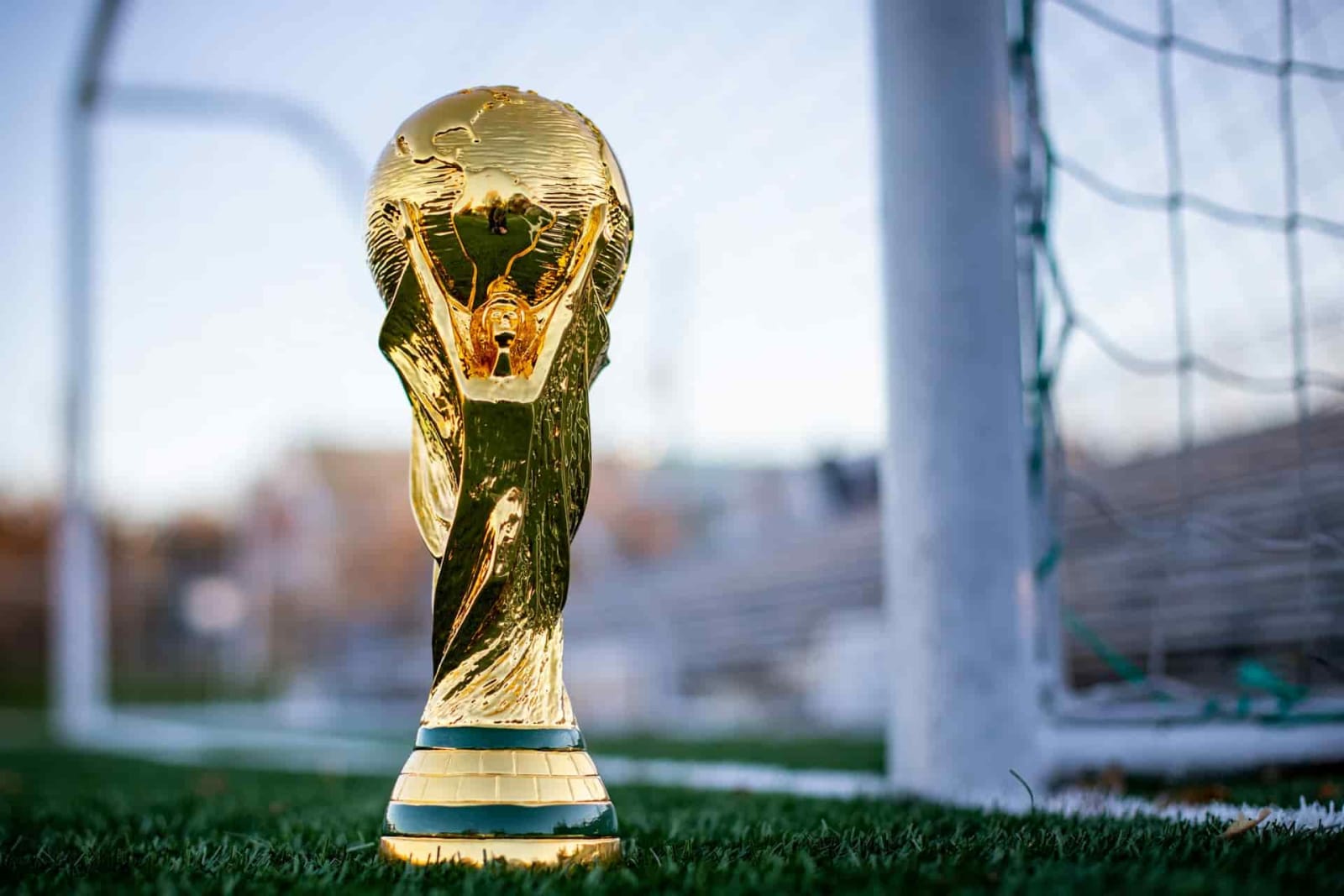
Spain seize second World Cup with extra-time winner
Spain are world champions again after Ferran Torres scored the decisive goal in extra time to beat Argentina 1-0 at MetLife Stadium in East Rutherford, New Jersey. The final was tight and tense, with Spain's control eventually breaking Argentina's resistance after 120 minutes. It is Spain's second men's World Cup title, matching the breakthrough they first achieved in 2010, and it capped a tournament in which they were widely viewed as the most complete side. Lionel Messi, at 39, finished on the losing side in what many treated as his final World Cup appearance.
The victory also underlined how far Spain's current generation has come under Luis de la Fuente, with Rodri central to the team and winning the tournament's Golden Ball. Spain conceded only one goal across the tournament in several reports, and the final added another iconic chapter to the country's football history. For Argentina, the defeat ended hopes of back-to-back titles and left the reigning champions without a shot on goal in the final, according to one post-match account. The result immediately shifted attention from the match itself to Spain's broader place in the sport's modern hierarchy.
出典
- World Cup winners and losers: A look back of summer's soccer spectacle
- Spain's World Cup-winning goal sounded immaculate thanks to Andrs Cantor
- Spain Reclaims World Cup Throne as Europe Dominates Expanded Tournament
- Spain's World Cup-winning goal sounded immaculate thanks to Andrés Cantor
- Spain Win FIFA World Cup Again: How Reinvention Made Them Football's Greatest Modern Dynasty
Lamine Yamal's family steals spotlight after Spain triumph
Lamine Yamal's World Cup win was quickly followed by a viral family moment, as footage of his three-year-old brother Keyne celebrating Spain's 1-0 victory over Argentina spread across social media. The youngster became an internet sensation for his exuberant reactions from the sidelines, including sticking out his tongue on the big screen and wildly cheering as Spain closed out the final in New York New Jersey Stadium. The story added a lighter, human angle to a tournament dominated by high stakes and heavy legs.
The win also gave Yamal a historic milestone: at 19, he became the youngest player ever to win both the European Championship and the World Cup. That places him in a rare category even before his club career has fully matured, and it helps explain why Spain's title is being framed as both a triumph and a handover to a new generation. Keyne's popularity only amplified the sense that Spain's success has become a broader cultural moment, not just a football one.
Spain's title cements a rare men's and women's double
Spain's World Cup victory has pushed the country into unprecedented territory: it now holds both the men's and women's World Cup titles at the same time. The men's team beat Argentina 1-0 in the final, while the women's side remain the reigning champions, giving Spain a distinction no other nation has achieved. The result also means Spain now have two men's World Cup crowns overall, and they have done it in the same era in which they have also collected major youth and continental honours. That breadth of success is why so many reports describe Spain as a modern dynasty rather than a one-off champion.
The significance goes beyond one trophy lift. Spain's system has produced a sustained pipeline of elite teams, with the men's side also the current European champion and the women's side a two-time Women's Nations League winner. The country has now won across men's, women's and youth competitions, reinforcing the idea that its football identity is built on structure rather than a single golden generation. In practical terms, the World Cup win strengthens Spain's claim to be the dominant national program in the sport right now, not just the best team in one tournament.
World Cup expansion delivers record scale and record revenue
The 2026 tournament closed after 104 matches across 39 days, making it the largest World Cup in history and the first staged across three host nations: the United States, Canada and Mexico. Multiple reports said the expanded 48-team format produced record attendance and viewership, while FIFA's financial take is projected to reach about $13 billion, with some outlets putting the eventual revenue even higher. The final itself was not a classic, but the broader event was widely described as a commercial and logistical success for FIFA and the hosts. The scale alone made this edition a landmark in World Cup history.
The expansion also changed the competitive and cultural texture of the tournament. New entrants such as Cape Verde, Jordan, Curaçao and Uzbekistan added fresh storylines, while mandatory hydration breaks and a halftime show in the final became part of the debate around the event's modern identity. Critics argued the larger field diluted quality, but the overall response from many outlets was that the tournament remained compelling and safe. That matters because the 2026 edition now serves as the template for future debates about how big the World Cup should become.
Conmebol pushes 64-team World Cup for 2030
The next World Cup is already being pulled into a new expansion debate, with Conmebol president Alejandro Dominguez saying the 2030 tournament will feature 64 teams. His comments came just a day after the first 48-team World Cup ended in North America, and they go further than FIFA president Gianni Infantino's earlier suggestion that the idea would merely be examined and discussed. Dominguez framed the move as part of the centenary celebration, saying the tournament would come 'home' to Uruguay, Argentina and Paraguay for opening matches before shifting to Spain, Portugal and Morocco.
If approved, the proposal would double the size of World Cups before 2026 and create the most sprawling edition in the competition's history. That would have major implications for qualification, scheduling and travel, especially because the 2030 event is already set to be spread across six host countries on three continents. The idea is controversial because it could further stretch the tournament, but it also reflects the political momentum around football's biggest event now that the 48-team format has just been completed.
Rodri's trophy haul reaches football's summit
Spain captain Rodri lifted the World Cup trophy after the 1-0 extra-time win over Argentina, completing one of the most decorated résumés in the game. At 30, he already owns four Premier League titles, a Champions League, a FIFA Club World Cup, a UEFA Super Cup, an FA Cup, three EFL Cups, two Community Shields, the 2024 Ballon d'Or, the 2023 UEFA Nations League and now the 2026 World Cup. He also collected the Golden Ball as the tournament's best player, confirming his status as the central figure in Spain's title run. Few players in modern football can match that combination of club and international honours.
The scale of Rodri's achievement is why his name now sits in the same conversation as the sport's all-time great midfielders. Spain's success was built around his control, leadership and ability to dictate matches in the biggest moments, and the final was no exception. His trophy cabinet now spans Manchester City, Atlético Madrid and Spain, which is why several reports described him as having 'completed' football's major team and individual prizes. In a tournament defined by generational change, Rodri's consistency was the anchor that made Spain's new era possible.
Toronto weighs lasting gains from hosting the World Cup
Toronto officials used the day after the final to argue that the city's World Cup legacy should be measured in facilities, youth programming and community benefits rather than a simple profit-and-loss sheet. Mayor Olivia Chow said the most important task was to build on the momentum created by the tournament, pointing to new soccer facilities at Centennial Park and four mini-pitches being built across the city. City manager Paul Johnson also highlighted permanent upgrades at BMO Field, investments in sports technology and environmental improvements completed for the event. The local debate is now about whether those assets translate into long-term growth for the game.
The tournament gave Toronto a rare global spotlight, and Canada Soccer CEO Kevin Blue said the men's national team emerged with its first World Cup victory, its first knockout-stage appearance and its first knockout-round win before exiting in the round of 16. That run, plus the city's packed stadium atmosphere, has strengthened the argument that the World Cup can accelerate soccer culture in Canada. Even so, the lingering question is whether the economic return will match the civic enthusiasm. For Toronto, the answer may matter less than whether the event leaves a durable sporting footprint.