


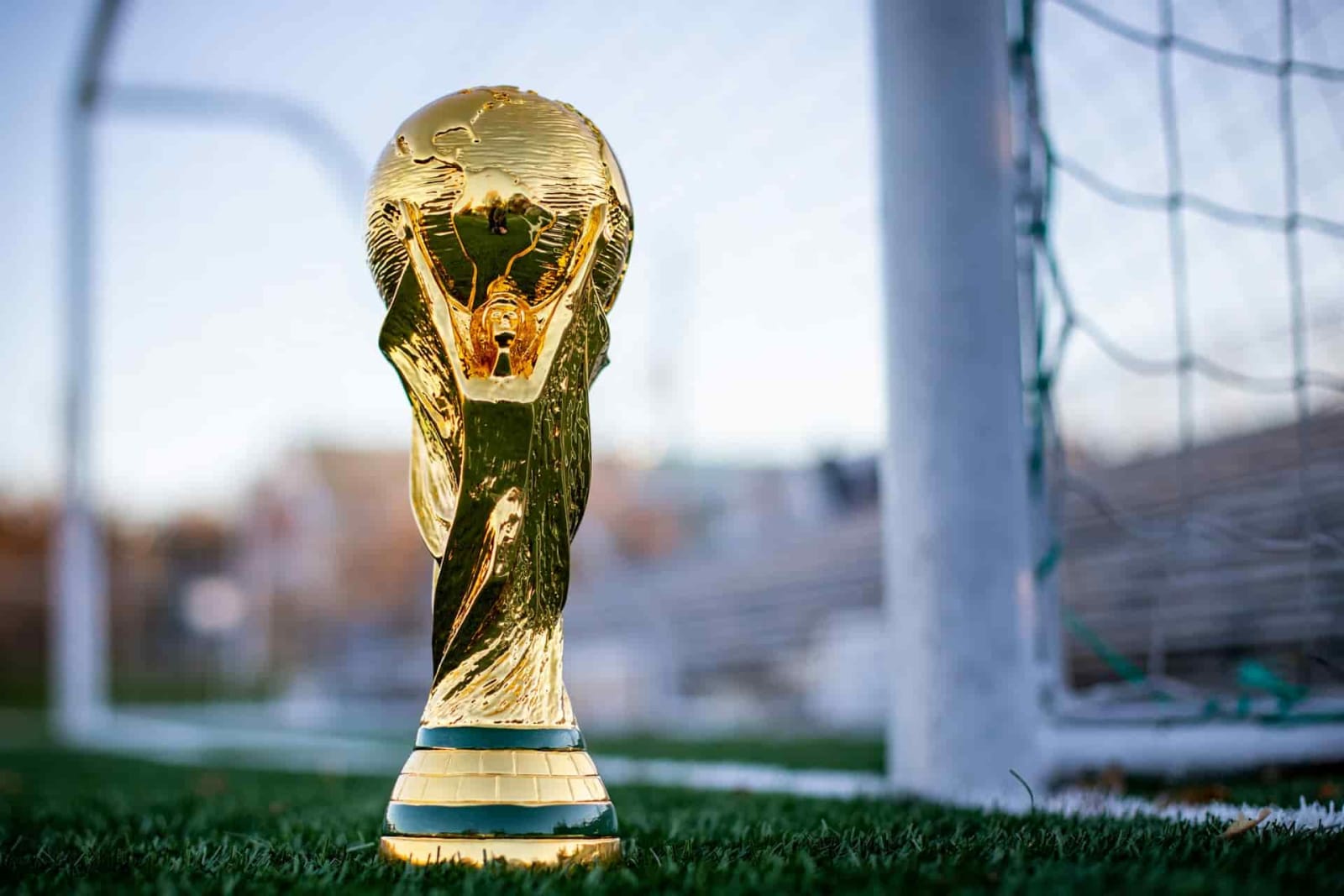
Infantino crisis deepens after apology and emergency Morocco talks
Gianni Infantino's World Cup sell-off gamble triggered the biggest governance crisis of his FIFA presidency, and the fallout only widened on 2026-08-05. FIFA's president apologised after abandoning a proposal to create a new commercial entity and sell a 20 per cent stake to private investors in a deal reportedly worth about $4.2 billion. Multiple reports said he then called senior FIFA staff to Rabat, Morocco, for emergency talks as he tried to contain the damage after opposition from UEFA, CONCACAF and other stakeholders. The plan had been framed as a way to raise money for football development, but critics said it threatened the sport's independence.
The political cost is now obvious. European Leagues, which includes the Premier League, La Liga and Serie A, demanded governance reform and called the proposal 'dangerous', while Canadian Prime Minister Mark Carney said he had 'no confidence' in Infantino after describing the episode as a 'fatal' governance failure. That combination of institutional revolt and public criticism matters because Infantino is trying to secure support ahead of next year's FIFA presidential election. The crisis has also revived scrutiny of how FIFA makes decisions, with opponents arguing that the World Cup cannot be treated like a private asset to be traded with investors.
出典
- Infantino Apologises Over World Cup Stakes Plan
- GIANNI INFANTINO has called an emergency crisis Fifa meeting in a desperate attempt to cling on to his power.
- Canada's Carney says he has no confidence in FIFA's Infantino
- European Leagues Accuse FIFA Of Forcing Through 64-Team World Cup Plan Without Consultation
- Soccer: Infantino holds crisis meeting in Morocco as FIFA stake sale fallout continues
Figo demands Infantino resigns amid fierce FIFA backlash
Luis Figo emerged as one of Infantino's sharpest critics on 2026-08-05, calling on the FIFA president to resign over the collapsed World Cup sell-off plan. The former Portugal captain, who once backed Infantino in the 2015 presidential race, said the Swiss administrator's conduct was 'the lowest, most deceitful and cravenly self-interested behaviour I have ever witnessed'. Figo's intervention landed as Infantino prepared for crisis talks in Morocco, underscoring how far support has eroded inside the game. The criticism is especially damaging because it comes from a former UEFA adviser and a global star with deep credibility across Europe.
The accusations are not just personal; they go to the heart of FIFA's legitimacy. Figo argued that Infantino had tried to force through sweeping changes without properly informing members, and several reports linked the abandoned plan to a proposed private company that would have run the World Cup commercial operation. With UEFA and CONCACAF already in open opposition, Figo's call adds another layer of pressure before the March presidential election. It also helps explain why the debate has shifted from one business proposal to a broader question of whether Infantino still has the moral authority to lead FIFA.
出典
European leagues demand FIFA reform as rebellion spreads
Europe's top domestic leagues escalated the pressure on FIFA on 2026-08-05 by calling for sweeping governance reform and rejecting further unilateral decisions. The European Leagues association, which includes the Premier League, La Liga and Serie A, said Infantino's abandoned commercial-rights proposal was 'dangerous' and raised 'serious questions' about FIFA's governance, internal culture and decision-making. It also warned against any move to expand the World Cup to 64 teams, saying FIFA must not keep taking disruptive decisions without consultation. The statement mattered because it showed the backlash is no longer limited to national federations; major club competitions are now openly challenging FIFA's process.
The leagues said they would oppose the 'expansion or creation' of FIFA competitions until reform is delivered, which heightens the risk of a broader institutional standoff. That stance aligns with UEFA's earlier threat to boycott FIFA events, and it reinforces the sense that Infantino's authority has been weakened across multiple layers of the sport. For FIFA, the immediate issue is not simply whether the private investment scheme is dead, but whether the organisation can regain trust from the clubs, leagues and confederations that make its competitions viable. The timing, during an emergency meeting in Rabat, made the message even more pointed.
出典
- European Leagues Accuse FIFA Of Forcing Through 64-Team World Cup Plan Without Consultation
- Carney raises concerns as European soccer leagues add to pressure on FIFA president Infantino amid 'crisis' meeting
- European soccer leagues add to pressure on FIFA president Gianni Infantino amid 'crisis' meeting
FIFA denies Morocco final offer amid new Infantino allegation
FIFA was forced back into damage control on 2026-08-05 after reports alleged that Infantino had linked Morocco's support to the 2030 World Cup final. According to the claims cited in multiple outlets, Infantino supposedly sought backing for his re-election campaign by suggesting Morocco could host the final at the under-construction 115,000-seat Hassan II Stadium in Casablanca. FIFA rejected the report, but the denial did not stop the story from spreading because it arrived at exactly the wrong moment, while Infantino was already fighting to salvage his reputation after the collapse of the World Cup stake-sale plan. The allegation deepened the sense that every move around FIFA's leadership is now being read through an election lens.
The significance is that the 2030 World Cup is one of FIFA's most sensitive flagship projects, and any suggestion that final-hosting rights were used as political currency is explosive. Morocco is a key part of the centenary tournament's hosting setup, so even the appearance of a quid pro quo risks undermining confidence in the process. Reports also said FIFA was compelled to issue a statement after the latest accusation, which shows how quickly the story has moved from a commercial dispute to an ethics and influence scandal. In practical terms, the controversy threatens to keep the 2030 tournament at the centre of Infantino's leadership battle.
Carney joins chorus of World Cup fallout criticism
Canadian Prime Minister Mark Carney's refusal to back Gianni Infantino added political weight to the FIFA crisis on 2026-08-05. Carney said he no longer has confidence in the FIFA president after the abandoned plan to sell stakes in the World Cup, calling the failure to consult senior advisers a 'fatal' governance mistake. His comments matter because Canada co-hosted the 2026 World Cup with the United States and Mexico, and Carney had appeared alongside Infantino at several tournament events. That makes the rebuke more than a passing political comment; it is a public rupture from one of the host nations most closely associated with FIFA's showcase event.
Carney's language echoes the broader criticism from football bodies and former insiders, but it carries additional diplomatic force because it comes from a national leader who has worked directly with FIFA during the tournament cycle. The comments also underline how the controversy has spilled beyond sport into government and public accountability. With FIFA already under pressure from UEFA, European leagues and senior figures such as Luis Figo, Carney's intervention shows the scandal has become a global governance story, not just an internal football dispute. That broadens the risk for Infantino as he heads toward the March election and tries to rebuild support.
Ferran Torres brings World Cup flair to Yankee Stadium
World Cup winner Ferran Torres traded the football spotlight for a baseball mound on 2026-08-05, throwing out the ceremonial first pitch before the New York Yankees faced the St. Louis Cardinals at Yankee Stadium. The Spain forward, who scored the extra-time winner against Argentina in the World Cup final on July 19, wore a Yankees cap and delivered what observers described as a clean, crisp pitching motion. One report said he fired a strike to Yankees utility man José Caballero, while another noted the appearance came just a 20-kilometre drive from MetLife Stadium, where Spain beat Argentina 1-0 to lift the trophy. The crossover moment captured how the tournament's stars are still shaping sports culture in North America.
The appearance is notable because Torres has become one of the most recognisable faces of the World Cup's aftermath, moving from decisive scorer to global celebrity guest in less than three weeks. The event also reinforced the growing overlap between soccer and major U.S. sports, with the Yankees using a World Cup champion to add prestige to a regular-season game. For Torres personally, the moment added to a summer in which his profile has soared after delivering Spain's title-winning goal. For fans, it was a reminder that the World Cup's biggest names continue to resonate well beyond the final whistle.
NWSL targets World Cup boom for next growth phase
The NWSL says the post-World Cup surge in U.S. soccer interest can power the league's next growth phase, with commissioner Jessica Berman pointing to the 2028 Olympics and the 2031 Women's World Cup on home soil as key catalysts. On 2026-08-05, the league highlighted average attendance of 11,174 year-to-date, second only to 2024, and said social media engagement on Instagram and YouTube is climbing. The effect of the men's tournament was already visible when Gotham FC and Washington Spirit sold out the home of the New York Mets with about 42,000 tickets. That scale matters because it suggests the World Cup has created a durable audience, not just a brief spike.
The NWSL's optimism is also grounded in expansion and market growth. New clubs in Denver and Boston helped lift attention this year, and Berman framed the men's World Cup final in New Jersey as proof that soccer can command major-event attention in the United States. The league is betting that when women's football takes centre stage in 2028 and 2031, the commercial upside will be even larger. For the sport's wider ecosystem, the report is a reminder that the World Cup's legacy is not only about national teams and trophies, but about the domestic leagues trying to convert tournament excitement into long-term fan loyalty and revenue.