


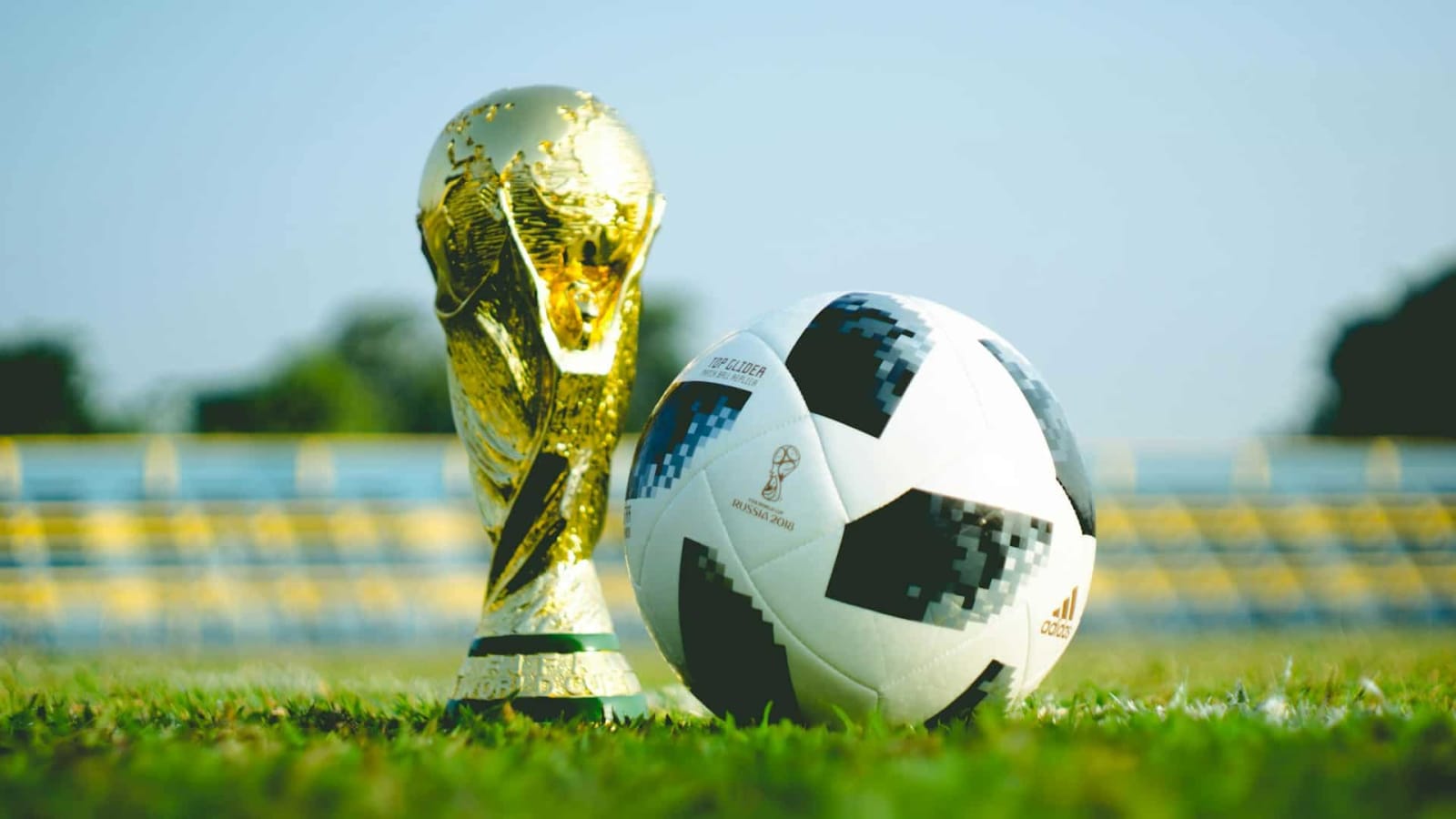
Argentina survive Egypt scare in dramatic comeback
Argentina are through to the World Cup quarter-finals after one of the tournament's most dramatic turns, recovering from 2-0 down to beat Egypt 3-2 in Atlanta. Egypt had looked set for a famous upset after Yasser Ibrahim opened the scoring and Mostafa Zico added a second, while Argentina also endured a missed Lionel Messi penalty. But Messi struck an 83rd-minute equaliser and Enzo Fernández headed the stoppage-time winner, keeping the defending champions alive and underlining why they remain the team every contender still fears.
The result was especially painful for Egypt because they were minutes away from eliminating the holders after leading for most of the match. Reports from the aftermath focused on referee François Letexier, with the Egyptian Football Association lodging a formal complaint to FIFA and coach Hossam Hassan among those questioning the officiating. Messi's involvement was decisive again, with one report calling it his eighth goal of the tournament, and the comeback reinforced Argentina's reputation for surviving chaos when matches appear lost.
Sources used for this story include multiple reports that all covered the same match and its fallout, including the formal complaint that followed the final whistle. The combination of the scoreline, the late goals and the disciplinary dispute makes this the day's biggest football story by some distance.
FIFA faces backlash over Balogun suspension reversal
FIFA's decision to overturn Folarin Balogun's one-match suspension became one of the tournament's most controversial off-field stories after President Donald Trump personally intervened with FIFA president Gianni Infantino. The U.S. striker, described in coverage as the national team's leading scorer, had been sent off for an aggressive foul against Bosnia and Herzegovina, but the disciplinary committee reversed the automatic ban and cleared him to face Belgium in the round of 16. The move immediately raised questions about political pressure on football's governing body.
The decision did not change the outcome on the pitch. The United States then lost 4-1 to Belgium, ending their World Cup run and leaving the officiating controversy hanging over the tournament. Commentators and columnists used the episode to argue that FIFA's credibility suffered more than the U.S. team's chances were helped, because the governing body appeared willing to bend under public pressure from the White House. For a host nation already dealing with a disappointing exit, the Balogun case became a symbol of how politics can distort the sport's integrity.
Sources used for this story include the analysis piece, the finance report on U.S. viewership, and the roundup noting FIFA's reversal. Together they show both the sporting and institutional impact of the decision, which dominated discussion after the Americans' elimination.
Mbappe condemns racist senator after Paraguay win
Kylian Mbappe's World Cup campaign was overshadowed by racist abuse from Paraguayan senator Celeste Amarilla after France's 1-0 round-of-16 win over Paraguay. Amarilla called the France captain a 'colonised Cameroonian' and launched a string of insults on social media, prompting Mbappe and the French Football Federation to condemn her remarks immediately. French president Emmanuel Macron and FIFA president Gianni Infantino also denounced the comments, while the UN Human Rights office joined the chorus of criticism over racism in football.
The incident matters because it shows how quickly a major tournament can spill into political and racial hostility beyond the stadium. France coach Didier Deschamps said Mbappe was in a 'good place mentally' ahead of the quarter-final against Morocco, trying to keep attention on football rather than abuse. But the row also fed into a wider debate about the language used around Black players and African heritage in football coverage, with one article linking the episode to broader concerns about stereotypes in World Cup media. Mbappe's response, and the public backing he received, turned the episode into a test of how seriously football authorities will confront racism.
Sources used for this story include the Deschamps interview and the follow-up report on Amarilla's second attack, both of which focused on the same abuse and the reactions from France and FIFA.
Switzerland earn first quarter-final since 1954
Switzerland reached the World Cup quarter-finals for the first time since 1954, beating Colombia 4-3 on penalties after a goalless draw that went through extra time in Vancouver. The shootout win was a landmark for the Swiss, who have now made the last eight at the World Cup only four times in their history despite 13 appearances. The result also set up a blockbuster quarter-final against defending champions Argentina in Kansas City on July 12, with Lionel Messi waiting on the other side.
The mood in the Swiss camp was lightened by Zeki Amdouni's viral Snapchat post, in which the Burnley midfielder joked that he could 'quit football' now that he had the chance to face Messi. The joke captured the scale of the occasion: for a nation that has often fallen in the round of 16, this was a breakthrough moment and a genuine shot at the semifinals. It also illustrates how the expanded tournament has created fresh high-stakes matchups, with Switzerland now one game from the biggest stage in their modern World Cup history.
Sources used for this story include the Swiss reaction piece from the wire and its duplicate coverage, both reporting the same penalty shootout, the historical context and the upcoming Argentina tie.
U.S. exit fuels debate over youth soccer costs
The United States' 4-1 defeat to Belgium has triggered a broader reckoning about how American soccer develops players, with multiple reports pointing to the high cost of youth participation. One piece said parents can pay more than $10,000 a year for elite youth programs, while another argued that families are often forced to spend thousands so children as young as seven or eight can play competitively. The criticism lands hard after a home World Cup in which the U.S. failed to convert its advantages into a quarter-final place.
The debate is not just about one bad result, but about whether the country's talent pipeline is too expensive and too exclusive. Jason Longshore argued the next breakthrough will come from 'the next 500 kids in every age group', while others said the U.S. still lacks the broad, affordable access that powers football cultures in Europe and South America. Christian Pulisic's uneven tournament and the loss to Belgium have sharpened the focus on development, with pundits like Alexi Lalas still backing him as a future contributor but no longer assuming he will be the face of the program. The issue now is whether the World Cup disappointment leads to structural change.
Sources used for this story include the local development report, the youth-cost critique, and the Pulisic analysis, all of which were published in response to the same U.S. elimination.
World Cup final halftime show goes pop
FIFA confirmed that Justin Bieber, Madonna, Shakira, BTS and Burna Boy will headline the first-ever World Cup final halftime show, turning the July 19 final at MetLife Stadium into a global entertainment event as well as a sporting climax. The 11-minute performance is being tied to FIFA's Global Citizen Education Fund, which has already raised more than $50 million toward a $100 million target. The initiative is meant to expand access to education and football opportunities for children worldwide, giving the show a philanthropic purpose beyond spectacle.
The announcement matters because it signals how far FIFA is willing to push the World Cup as a mass-market cultural product. Bieber said he was excited to be part of the event despite not being a diehard soccer fan, while FIFA president Gianni Infantino framed the show as a celebration of football, music and shared values. With millions expected to watch worldwide, the halftime show could become one of the most talked-about moments of the tournament, especially if the final itself is close. It also reflects FIFA's growing emphasis on entertainment and fundraising around the championship weekend.
Sources used for this story include the two entertainment reports and the live New York Times update, all describing the same halftime-show announcement and its charity link.
Ronaldo farewell video debunked after Portugal exit
A viral video claiming to show a crowd in Poland chanting for Cristiano Ronaldo during the World Cup was exposed as misleading, with fact-checkers showing the footage actually came from a Polish club celebration in Kraków. The false posts spread as Portugal's 1-0 loss to Spain in the round of 16 ended Ronaldo's final World Cup, according to the reporting. That made the clip especially potent online, because it mixed real tournament emotion with recycled footage and unrelated audio.
The correction matters because it shows how quickly World Cup narratives can be manipulated once a superstar's farewell enters the public imagination. Ronaldo's exit from the tournament was already a major global story, and the fake celebration video fed a sentimental version of events that was never real. Snopes also authenticated a separate drone light show on Madeira Island, showing that some Ronaldo tributes were genuine, which helps explain why the false Poland clip spread so widely. In a tournament driven by social media as much as by broadcast highlights, distinguishing tribute from fabrication has become part of the news cycle.
Sources used for this story include the misinformation report and the fact-check on the drone tribute, both centered on Ronaldo's final World Cup and the online reaction to it.