


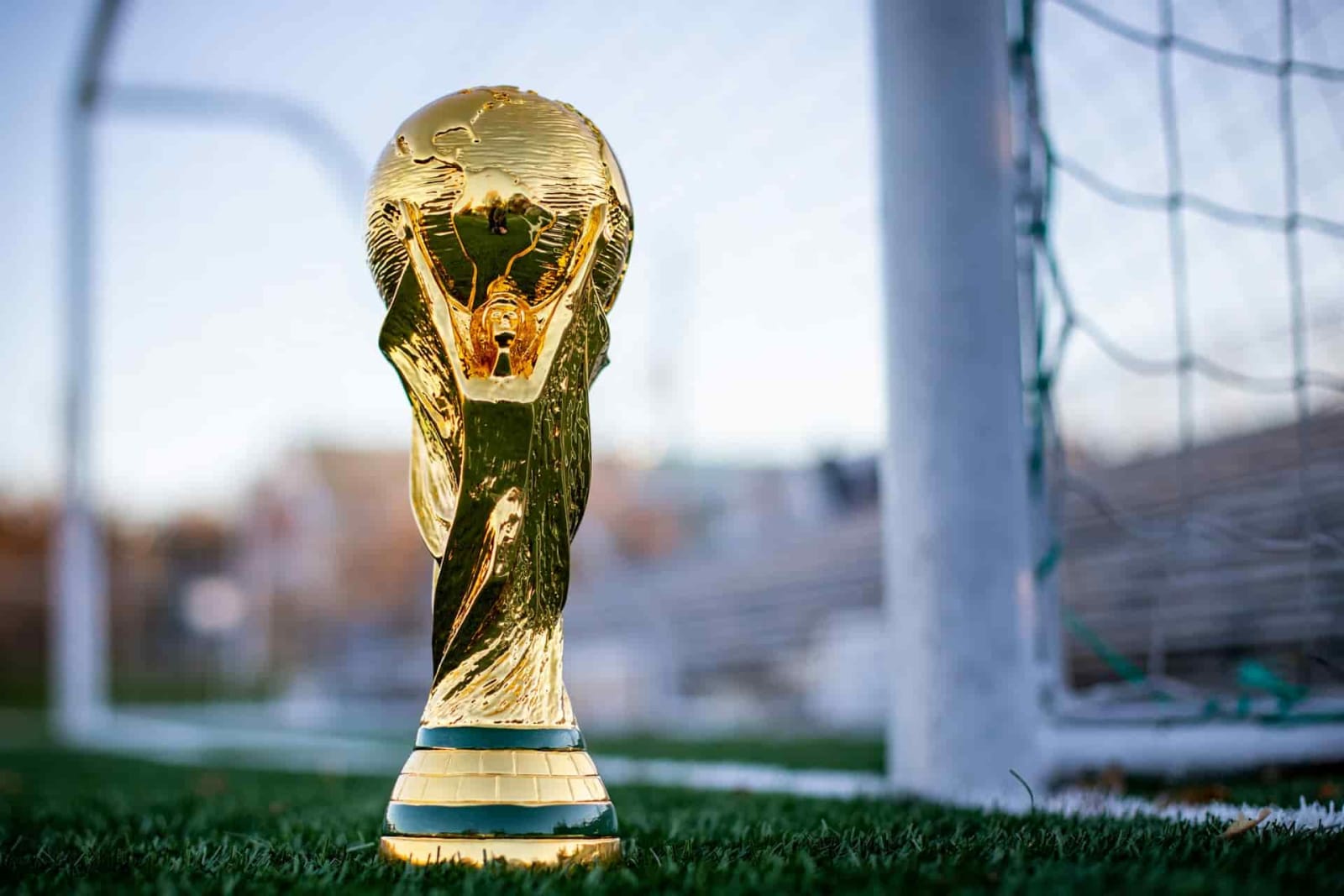
Europe and CONCACAF unite against FIFA sell-off
World football was jolted on 2026-07-30 as UEFA's 55 member associations unanimously backed a boycott of FIFA competitions if Gianni Infantino's private-investment plan goes ahead. UEFA said the World Cup 'cannot be treated as an investment product' and rejected FIFA's proposal to transfer ownership interests in the World Cup and other competitions to private investors. The plan centres on a new commercial vehicle, FIFA Forward Enterprise, and would reportedly sell a minority stake while raising as much as $4.2 billion, with some reports describing a $20 billion valuation.
The backlash widened later the same day when CONCACAF, the 41-member confederation covering North and Central America and the Caribbean, also rejected the proposal after an emergency meeting. That matters because the 2026 World Cup hosts the United States, Canada and Mexico are all in CONCACAF, and the bloc's stance strips Infantino of support in two of football's most powerful regions. UEFA also noted that the next major FIFA tournament in Europe is the Women's Under-20 World Cup in Poland on Sept. 5, while the 2035 Women's World Cup vote is due on Nov. 23.
The opposition is not merely rhetorical: UEFA said no national teams from Europe would participate in FIFA competitions while the plan remains active, and several reports said at least 96 of FIFA's 211 associations are now aligned against it. The timing is especially damaging for Infantino because the proposal was unveiled only days after the 2026 World Cup closed, turning what FIFA framed as a commercial restructuring into a governance crisis. With Europe and North America both resisting, the project now faces a hard road to the majority support and FIFA Council approvals it needs to survive.
資料來源
- UEFA Boycotts FIFA Over World Cup Privatization
- European nations vow World Cup boycott over FIFA private investors plan
- European nations vow World Cup boycott and North American soccer body rejects FIFA's private equity plan
- FIFA's plan to inject private money into the World Cup hit with abrupt UEFA boycott
- CONCACAF rejects Infantino's World Cup investment plan after UEFA's boycott threat - AOL
- North American nations reject Infantino's World Cup investment plan after UEFA's boycott threat
- UEFA to boycott WC; Concacaf rejects FIFA plan
- European nations vow FIFA World Cup boycott over Infantino private equity plan as opposition spreads
Infantino's $20 million incentives deepen FIFA revolt
Gianni Infantino's plan to push through a new FIFA commercial structure was met with anger because member associations say the process was rushed and opaque. Reports said FIFA gave its 211 members until mid-September, with one account describing a 53-day deadline, to accept the proposal or risk losing access to funding. Under the plan, associations backing the scheme could receive up to $20 million in immediate project money, alongside another $20 million in FIFA Forward funding for the 2027-2030 cycle. Critics say that is a clear attempt to buy support for a controversial sale of World Cup-linked commercial rights.
The core of the proposal is FIFA Forward Enterprise, a separate company that would manage commercial and operational rights for the men's and women's World Cups, the Club World Cup and other tournaments. Depending on the report, outside investors would take a 20% or 21% stake, with Thrive Capital or Thrive Eternal named as the lead investor group. The scale is enormous: some coverage put the subsidiary's value at $20 billion, while FIFA said the plan could generate more than $10 billion for football development over four years. That financial promise is now overshadowed by the governance backlash.
The proposal has become a referendum on how football should be run after the most profitable World Cup in history. CONCACAF explicitly questioned why private equity was needed at all, while UEFA argued that no one has the moral authority to sell what they merely hold in trust for the next generation. The clash leaves FIFA's Council and Congress facing a politically toxic decision, and it also raises the possibility that the commercial model behind future World Cups could be rewritten before any investor money ever arrives. For now, the funding carrot appears to have hardened resistance rather than softened it.
資料來源
- FIFA's $20 Billion Question: Can The World Cup Have Private Owners?
- FIFA's controversial plan for 2030 World Cup explained as 96 countries announce boycott
- FIFA and Gianni Infantino can't seem to escape drama. Here's what to know about the world soccer organization's latest controversies
- CONCACAF rejects Infantino's World Cup investment plan after UEFA's boycott threat - AOL
- Concacaf: why is Infantino seeking money after organising the most profitable World Cup ever?
- FIFA stake-sale push tests football's 'American century,' Bennett says
- FIFA stake-sale push tests football's 'American century,' Bennett says
Europe's football powers demand Infantino step back
The revolt against FIFA's private-equity plan has quickly become a referendum on Gianni Infantino's leadership. Several outlets reported that pressure is building inside world football, with some executives privately discussing whether the FIFA president can survive the backlash. UEFA's statement was the most forceful, saying Europe would never lend legitimacy to a model that sells the game's crown jewels, and the response from England, Scotland and Denmark showed the criticism cutting across the continent. In Germany, Alexander Wehrle of VfB Stuttgart's supervisory board called the move a line that had once again been crossed.
The political stakes are significant because the next FIFA Congress in Morocco is scheduled for March 2027, when Infantino has already signalled he intends to stand for re-election. Reports also linked the controversy to broader unease over his close relationship with Donald Trump and the presence of Joshua Kushner's Thrive Capital in the investor group. That combination of politics, finance and governance has made the dispute bigger than a simple commercial argument. It is now about whether FIFA's president can persuade members that selling part of the World Cup is compatible with stewardship of the sport.
For European federations, the issue is as much about process as principle. The Scottish FA complained that the proposal was issued without a full consultation process, while the Danish FA said inviting private investors into the heart of FIFA was out of the question. Those reactions matter because the strongest football nations are among the most commercially valuable in the game, and their refusal would damage any future World Cup product. Even if the plan is not immediately killed, the episode has left Infantino facing the strongest internal challenge of his presidency.
資料來源
- Almost 100 FIFA associations against Infantino as UEFA agrees to boycott World Cup
- Will Gianni Infantino resign as FIFA president? Backlash to FFE plan intensifies with calls to step down
- Reactions from across Europe to UEFA's FIFA World Cup boycott vote
- Will there be a World Cup boycott? Infantino's deal with Trump empire pushes football to the brink
- 'Gianni Infantino should resign from FIFA now -- or football will suffer forever'
Neymar confirms Brazil retirement after World Cup heartbreak
Neymar has confirmed his retirement from the Brazilian national team after Brazil's disastrous World Cup 2026 campaign ended with a round-of-16 defeat to Norway. The 34-year-old said, 'My time with the national team is over,' bringing down the curtain on an international career that made him Brazil's all-time leading scorer. The decision was sealed in emotional scenes at MetLife Stadium in New Jersey, where Neymar was seen crying on the pitch after the elimination. For Brazil, the exit under Carlo Ancelotti was a shock, and Neymar's departure closes a defining chapter in the country's modern football story.
The numbers underline his status: the Khel Now piece frames Neymar's career as one of the most decorated in the Selecao shirt, and his retirement means Brazil must now move on without the player who carried so much expectation for more than a decade. His shift to club football with his hometown side is both personal and symbolic, because it ends the national-team era of a figure who was expected to lead Brazil to another World Cup title. Instead, the campaign finished in disappointment, with Norway delivering the knockout blow and Neymar leaving the stage in tears.
That makes the announcement significant beyond Brazil. Neymar has been one of the most recognisable faces in world football and a central figure in World Cup marketing, debate and nostalgia. His retirement after a tournament exit reinforces how quickly the 2026 cycle has turned for major stars: from headline attractions to the start of succession planning. Brazil now face the challenge of rebuilding their attack and identity without him, while the wider football world loses one of the last remaining icons from the previous generation of global superstars.